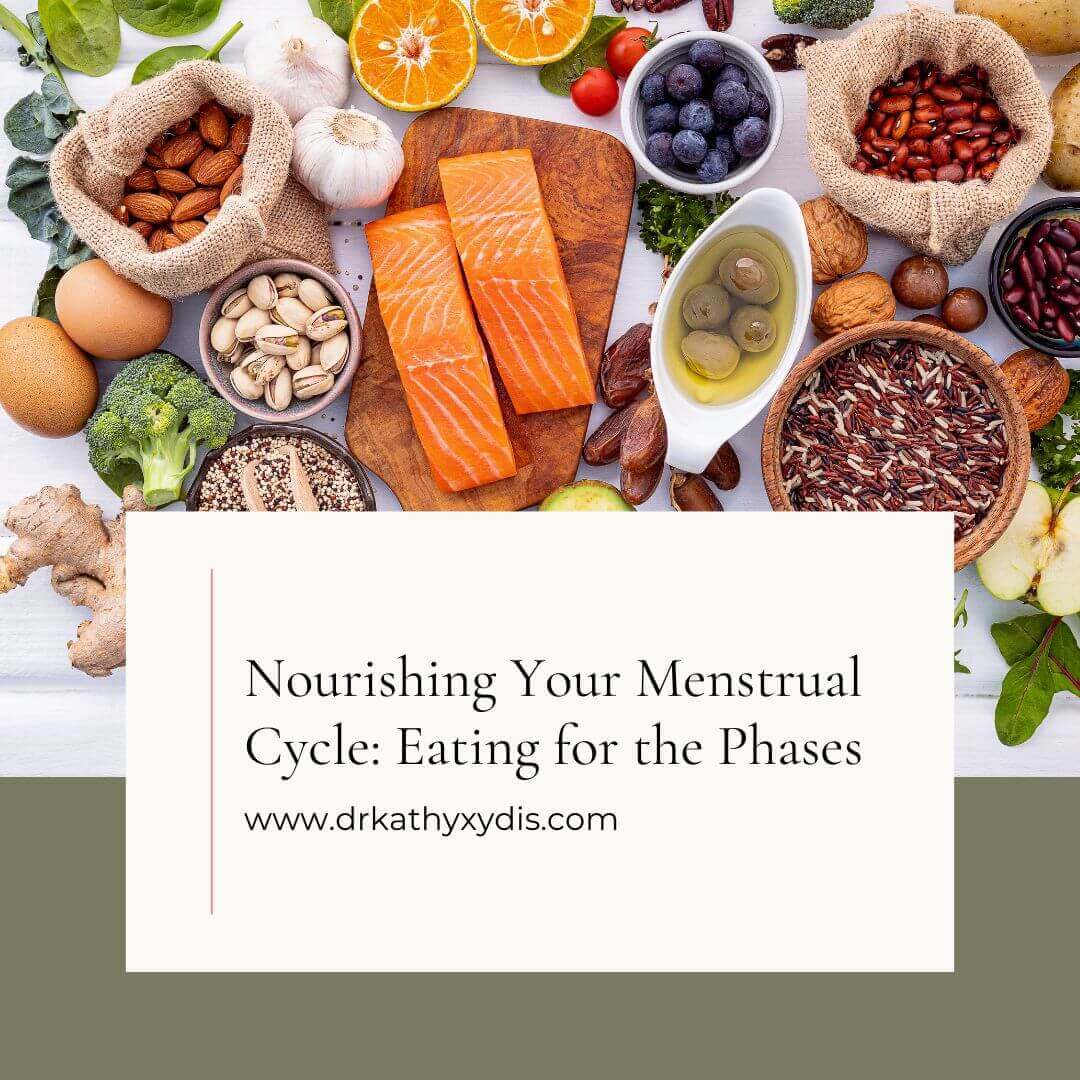
Let’s be honest, most of us, were never taught to appreciate, honor, or nourish our menstrual cycles. I definitely wasn’t. In fact, most of the time, it is still touted as taboo, dirty, or an inconvenience.
Across other cultures though and throughout history, the cycle has been revered and celebrated as a symbol of life, fertility, power, and renewal.
Cultures Who Hold the Cycle in Reverence

In ancient Egypt, menstruation was considered a sacred and powerful aspect of female physiology and was associated with the moon cycles.
Native American tribes, such as Navajo and Lakota, held ceremonies to honor menstruating women and saw menstruation as a time of heightened spiritual awareness. Similarly in Hindu culture, women were considered powerful and excused from religious practices.
In Ancient Greek culture, women would gather during their menstrual periods to celebrate and commune with each other.
These are just a few of the cultures that celebrate the essence of the female physiology. In my opinion, they had it right.
A Magnificent and Intricate Process
The menstrual cycle is a dance between hormones, neurotransmitters, and physiological changes. It deserves to be understood, supported, and respected. For many of you reading this, it is supporting you on your journey to becoming a mother. For others, you might be frustrated with the ongoing symptoms, or your cycles are so irregular, you have no clue what to expect every month.
Some might even be afraid that they are in perimenopause and susceptible to making crucial decisions based in fear. Our cycles are a barometer of health and can give us many clues into underlying conditions or challenges.
I get it, some of you might be wondering how the hell do you appreciate your cycle when it brings you so much grief every month. Many times, women don’t believe me when I tell them that they can have a period with no major symptoms.
You might not have images of you twirling around in a white flowy dress singing praises to your cycle (yet) but let’s talk about how you can start brining your cycle back into balance through food.
Not All Cycles Are Created Equal
A typical cycle is 28 days but for some women it can be a bit shorter or a bit longer. Main idea is tracking your personal cycles to understand your own trends. This can be extremely important, especially when trying to get pregnant.
Not all women ovulate around day sixteen so if a woman uses this as her gauge, she might be completely missing her most fertile days. This can cause undue stress, worry, and interventions.
Tracking Your Cycle at Home
My favorite way of tracking the cycle at home is with the Mira Care device and I recommend this to all my patients. You can track estrogen, LH, FSH, and progesterone all in the privacy of your own home, each cycle. I’ve personally used it and love it!
You can track basal body temperature (BBT) as well, but this will only show if you’ve already ovulated. Plus, you must take your temperature at the same time every day, with a specific thermometer as soon as you open your eyes and without moving much. If you have a dog like mine, who likes to wake you up by licking your face begging to be taken out, this isn’t always going to work.
If you’re trying to get pregnant, this won’t assist in knowing when your LH is surging, indicating that ovulation will be happening soon. Your BBT will show if you’ve already ovulated and by then it’ll be too late. You can also test your progesterone with the Mira Care, tracking if and when you’ve ovulated.
Contributors
There are several factors that can contribute to irregular and/or painful periods, including hormonal imbalances, stress, nutritional deficiencies, PCOS, thyroid disorders, excessive exercise, and inflammation. Symptoms of imbalance can include fatigue, bloating, breast tenderness, abdominal cramps, mood swings, and skin breakouts. This will also be different for every woman.
Although some people may use heating pads for temporary relief, it is important to take a long-term approach to manage these symptoms effectively.
How Nutrition Can Support the Various Phases of the Menstrual Cycle
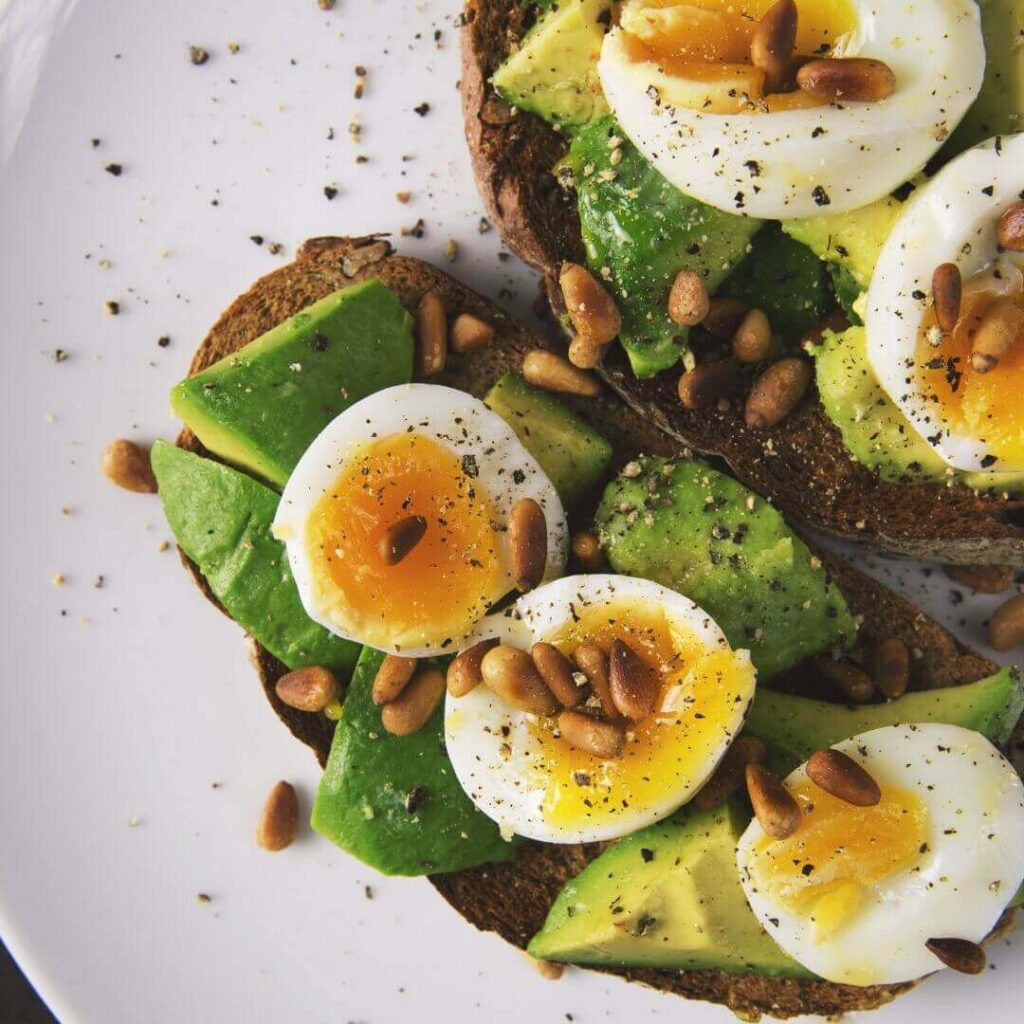
Nutrition is a crucial factor in managing your menstrual cycle. Eating a balanced diet can potentially improve your menstrual cycle and alleviate symptoms. While the ideal diet may differ from person to person, certain foods can offer significant benefits within each phase.
Each phase focuses on specific hormones, which will also affect how you’re feeling. Let’s learn how to honor that.
Nourishing the Follicular Phase
The follicular phase starts with the first day of your bleed (day one of menstruation) and ends with ovulation. The average length is about sixteen days but as mentioned earlier, this can be later for some women.
During this stage, estrogen levels are starting to rise in preparation for ovulation. Estrogen does better with lower carbohydrate intake and can handle longer fasting hours. Higher levels of estrogen, especially closer to ovulation, tend to make us feel a bit more energetic as well. This is the best time to ask for the raise, participate in more intense exercise, be more social, or give that big presentation.
Foods to Include
Olive oil, flaxseed oil/flaxseeds, pumpkin seeds, avocado, Brazil nuts, almonds, cashews, pine nuts, walnuts, sprouts, cabbage, spinach, onion, garlic, zucchini, broccoli, cauliflower, Edamame, peas, chickpeas, lima beans, carob, kidney beans, mung beans, pinto beans, black-eyed peas, lentils, strawberries, blueberries, cranberries, pomegranates, peaches, tempeh, grass-fed butter, fermented foods like kimchi and sauerkraut.
As your body is coming to the end of the follicular phase, and near ovulation, it needs plenty of B vitamins to support the release of the egg and help with implantation.
Nourishing the Ovulation Phase
Estrogen levels peak and energy levels are generally high around days fifteen to seventeen. Like the follicular phase, including foods to support your gut health, liver and estrogen metabolism can be beneficial.
Essential fatty acids are crucial during the ovulation phase. These help with blood flow to the uterus and support the opening of the follicle to release the egg. The best source of omega-3s is from fish, such as salmon, and fish oil supplements. I recommend including these throughout the cycle but especially during the ovulation and luteal phase.
This is also the time to fill your plate with leafy greens, gluten free whole grains, eggs, legumes, and high-quality (grass fed/grass finished, organic, pasture and humanely raised) meat such as chicken (white and dark meat), ground turkey, and beef.
Antioxidant-rich, gut nourishing foods during ovulation time are important as well. These can include broccoli, sweet potatoes, asparagus, lentils, beans, berries, eggs, beets, brussels sprouts, kale, cabbage, and turnips.
Hydrate for Your Hormones
Water is essential in the transportation of hormones and the development of follicles. Additionally, it aids in thinning out cervical mucus, which facilitates the movement of sperm towards the egg. More on this later.
Nourishing the Luteal Phase
The luteal phase commences once the egg starts its journey down the fallopian tube and concludes with the onset of the next menstrual cycle.
If progesterone levels are too low or absent, it can result in irregular and/or heavy menstrual cycles, miscarriage and early labor, or failure of the ovary to release and egg during ovulation.
Progesterone rises and PMS symptoms like moodiness and anxiety are most likely to develop during the luteal phase. Think of it this way, biologically your body thinks it’s getting ready to support a pregnancy. You might feel a bit more tired and want to curl up in bed with a good movie. This is not the time to participate in fasting or in high intensity workouts. Yoga, Pilates, and walks out in nature would be best during this time.
You may be more sensitive to fluctuations in blood sugar as progesterone can cause blood sugar to dip lower than normal. The fluctuation in hormones during the luteal phase may be why you crave carbs and sugar right before you get your period. That’s right – mystery solved!
Foods That Will Support Progesterone Production
Going low carb during the luteal phase won’t be helpful. Music to your ears, right? But before you grab that pint of ice cream and tell people, “Kathy told me it’s ok”, let me clarify. Stick to fiber rich carbohydrates such as sweet potatoes, yams, pumpkin, turnips, quinoa, and butternut and acorn squash, lentils, and wild or brown rice.
Healthy carbs the week before your period will help you avoid the processed carbs like chips and ice cream that you may be craving. And you’ll feel a whole lot more balanced. Make sure to balance these with enough protein and healthy fats though.
Other Foods to Include
Foods high in vitamin C, B6, zinc and magnesium are all helpful for boosting progesterone levels, which will help support pregnancy. Include oranges, grapefruit, lemons, sweet yellow peppers, sesame seeds, sunflower seeds, dark chocolate (at least 70%), avocado, cashews, cooked spinach, banana, chickpeas, beef liver, kidney beans, black beans, and almonds.
Nourishing the Menstruation Phase
It’s important to maintain stable blood sugar levels during menstruation to avoid putting extra stress on the body. Remember to balance your meals with enough protein and healthy fats and choose fiber rich carbohydrates.
During this period, the body tends to lose essential nutrients. As a result, it is recommended to consume mineral-rich bone broth and vitamin-rich smoothies to replenish them. One great way to replenish iron and mineral stores is by consuming healthy comfort foods such as soups and stews.
A crockpot/slowcooker is a life saver during this time (yup, I’m old school). One of my favorite store-bought options is Kettle and Fire. Try their butternut squash – bone broth and dairy free and yum!
During this time, it is recommended to consume iron-rich foods such as animal protein, salmon, beans, and leafy green vegetables. These options are also abundant in B vitamins, which can help maintain energy levels.
Stay Hydrated
t’s essential to stay hydrated, especially during your menstrual cycle. Drinking plenty of water can help prevent dehydration headaches, which are a common symptom of menstruation. Additionally, consuming enough water can help reduce bloating and water retention.
To promote healthy digestion and decrease bloating, it’s recommended to drink ½ your body weight in ounces of water daily.
But instead of obsessively counting glasses or measuring fluid intake, monitoring the color of your urine can be an easy and effective way to gauge your hydration levels.
This approach can also help tailor your hydration needs to your individual requirements, taking into account factors such as climate, physical activity, and personal physiology.
The color of your urine can quickly and reliably indicate your hydration status. Pale yellow urine typically indicates adequate hydration, while dark yellow or amber-colored urine suggests that you may need to increase your water intake.
It’s important to note that over hydration, or hyponatremia, can occur when the balance of electrolytes in your body is disrupted due to excessive water consumption. You can add electrolytes to your water such as LMNT or sprinkle some Himalayan Sea salt. There are plenty of recipes for this online. And watch out for sugar in the store-bought options.
Avoid drinking bottled water as much as possible. The plastic can leach chemicals, called endocrine disruptors, into your water. A reverse osmosis system under your sink is a great option (~$200 at Home Depot or Lowes) but if that isn’t available to you, you can find a filter guide on the EWG.org website.
For Supplements Sake
One of my favorite supplements to help with hormonal balance, is Vitex or Chaste Tree Berry. Gaia Herbs has a good one (Gaia Herbs Vitex Berry) which has 1000mg Organic Chaste Tree Berry extract.
Nutrition plays a crucial role in managing menstrual cycles and reducing associated symptoms. A well-balanced diet helps regulate hormone levels, which in turn can promote regularity and alleviate discomforts like bloating, cramps, and mood swings.
Consuming nutrient-dense foods provides essential vitamins and minerals that aid in reducing inflammation, supporting muscle relaxation, and stabilizing blood sugar levels, ultimately leading to enhanced energy and mood.
By adopting a tailored nutrition plan that focuses on menstrual health, you can experience relief from common period-related symptoms and enjoy improved overall well-being during this natural phase of life.
My Wish for You

I love getting my cycle! Yup, I said that. You might think I’m crazy, but I appreciate every month that I get my cycle. I marvel in the beautiful bright red color and know that this is a sacred time of release and renewal. It took me some time to get here, especially after my miscarriage years ago, but I flow with her phases and her grace.
I appreciate knowing exactly what is going on in my body and I honor it. My wish for you is to feel the same.
If you’re having irregular or painful cycles or having trouble conceiving, I’d love to support you. Book a discovery call here.