Have you ever wondered how your thyroid affects your fertility? Having thyroid issues can be overwhelming, especially for women who are experiencing the symptoms, including infertility.
For the sake of this blog and due to what I see most with my clients, I will mostly focus on hypothyroidism or underactive thyroid. For those of you who might suspect hyperthyroidism, I have included a little bit of information on that as well. Hypothyroidism occurs when the thyroid gland fails to produce enough thyroid hormones, leading to a range of physical and mental health issues.
In this comprehensive blog post, we will explore the symptoms of hypothyroidism, shed light on why it is often misdiagnosed, discuss the importance of diet and lifestyle in managing the condition, explore beneficial supplements, and provide lifestyle strategies to help women regain control of their health and fertility.
Meet Your Thyroid
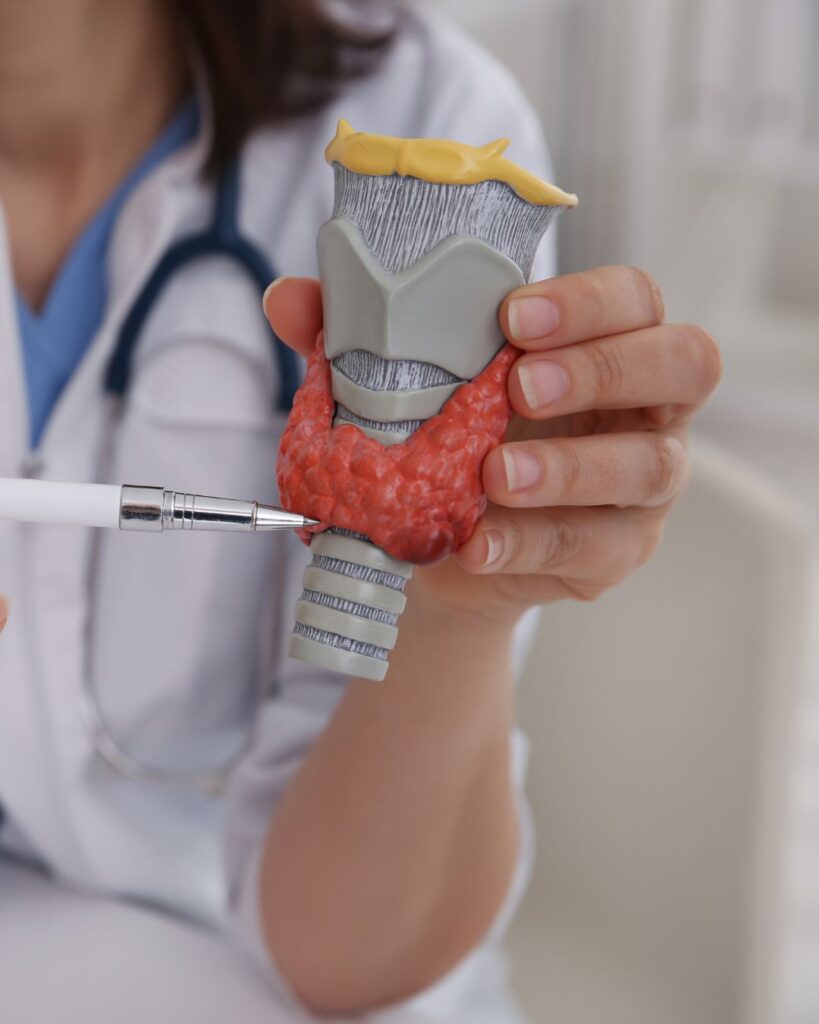
The thyroid gland, an endocrine gland, is a butterfly-shaped gland in the neck just under your Adam’s apple. It is made of two lobes: the right and left lobes which lie on each side of the windpipe. It is responsible for releasing hormones that control the body’s metabolism.
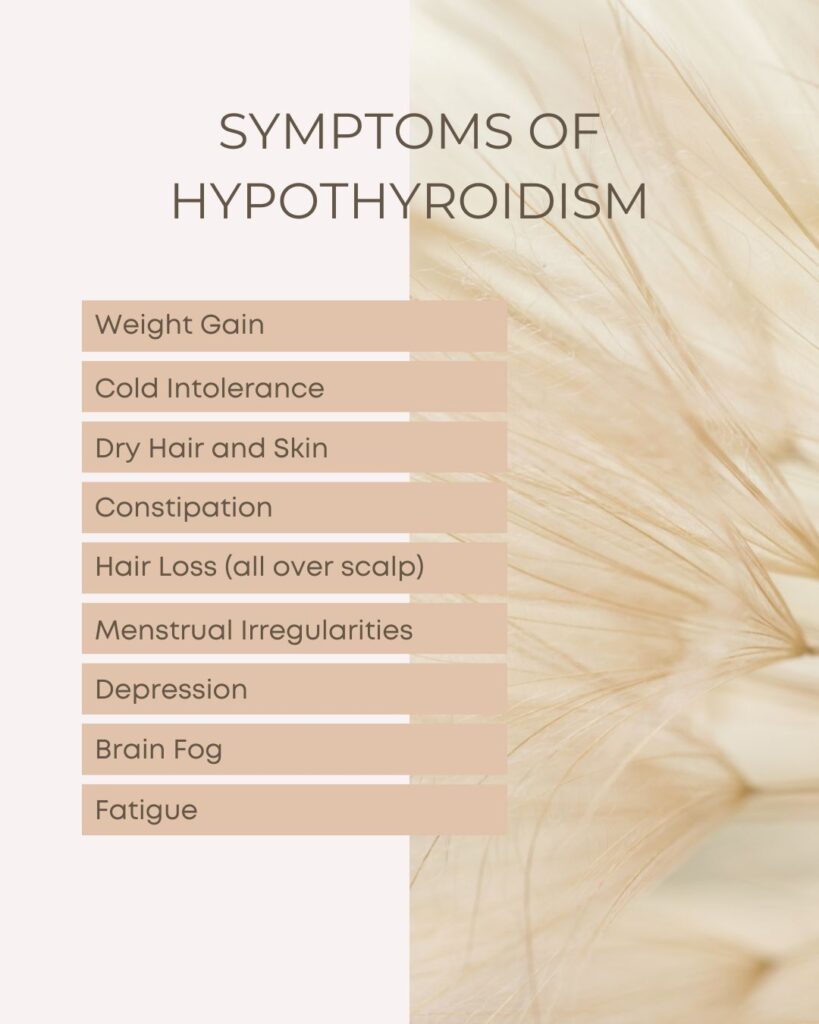
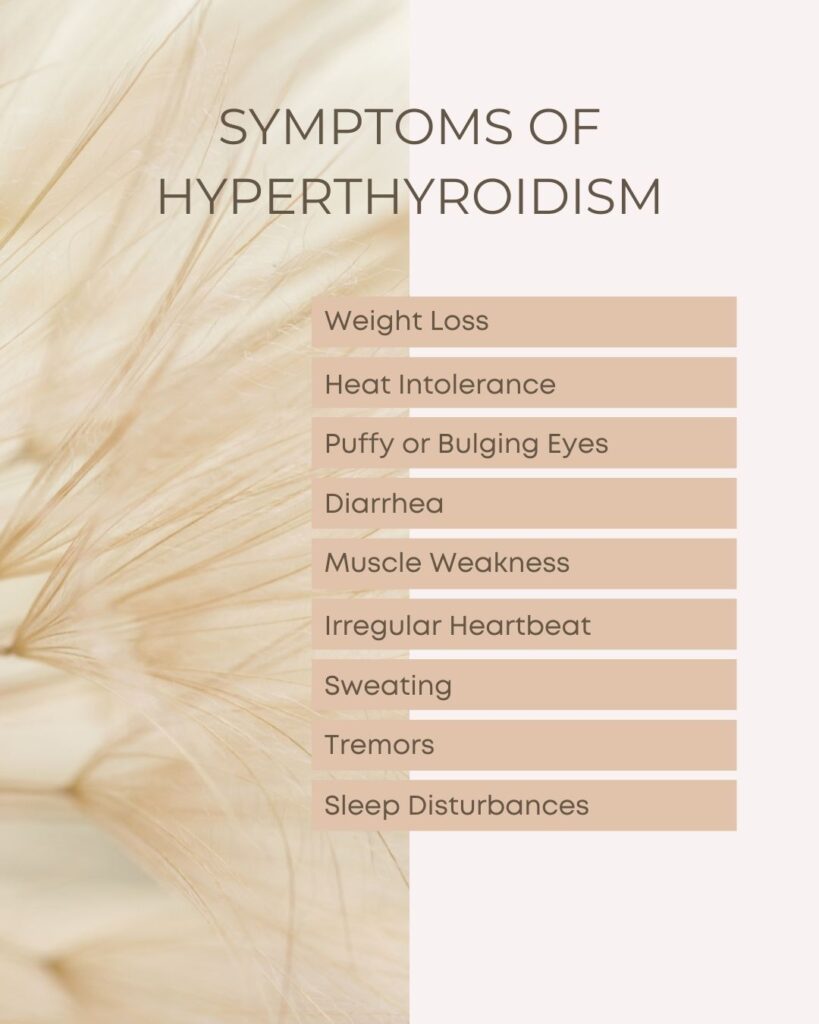
Thyroid problems have a significant impact on energy levels, weight, mood, metabolism, cognitive function, menstrual cycles, fertility, and pregnancy. Below are some symptoms that may occur. You do not need to have all of these in order to suspect thyroid imbalances.
Symptoms of Thyroid Imbalances
Why Are Thyroid Imbalances Often Missed?
I see it often in my practice where a client comes to me presenting with symptoms but was told their thyroid was “fine”. Upon review of their labs, the first problem I encounter, is that the only marker tested was TSH – maybe sometimes free T4 (FT4). The issue with this – that doesn’t give us the full picture.
TSH assesses the pituitary gland’s signaling to the thyroid gland. This only indicates the overall thyroid function. FT4 measures the amount of unbound thyroxine reflecting the thyroid’s hormone production. You might be thinking, well isn’t that important? Yes, but it’s still not giving us the whole picture.
FT4 is the inactive form of thyroid hormone and gets converted to free T3 (FT3). THIS is the active form and is crucial for cellular metabolism. If TSH and FT4 are in functional range, but FT3 is low, something is going on with the thyroid’s function and this should be acknowledged and addressed.
Now let’s take this a few steps further – yes, there’s more. If FT3 is low and reverse T3 (rT3) is high, this is an indication that FT4 is getting converted to rT3, and to a lesser degree to FT3. rT3 binds weakly to thyroid receptors and takes away from FT4 converting to the active form FT3 and from FT3 being able to bind to those same receptors. Basically, rT3 and FT3 fight for receptors at the cellular level. You definitely want FT3 winning that fight.
You may be wondering what makes FT4 convert to rT3 instead of FT3. Stress is a big cause but nutrient deficiencies, illness, infections, cortisol deficiencies, low iron, inflammation, and extreme dieting or fasting.
I know that’s a of F’s and T’s. Ready? There’s more! This is where antibodies come into play – TPO and TgAb. These markers evaluate autoimmune thyroid conditions such as Hashimoto’s Thyroiditis. This is where the immune system mistakenly attacks the thyroid gland, leading to inflammation and gradual destruction of thyroid tissue. I can’t tell you how many times I’ve encountered fertility clients who have not been tested for elevated thyroid antibodies.
The next time you get your labs done, advocate for yourself and ask your physician for the full thyroid panel: TSH, FT4, FT3, rT3, TPO and TgAb.
How Stress Affects the Thyroid
Stress can have a significant impact on thyroid function due to its influence on the hypothalamic-pituitary-adrenal (HPA) axis, which interacts closely with the thyroid gland.
Cortisol, the primary stress hormone, is released during periods of stress. High levels can inhibit the conversion of FT4 (the inactive form) to the active form FT3. This could lead to a low functioning thyroid or hypothyroidism.
When this stress is prolonged, it can also lead to low levels of TSH production and secretion. This is because chronic stress can alter the function of the hypothalamus and pituitary gland, which regulates thyroid hormone release.
I mentioned a little bit about the autoimmune condition Hashimoto’s earlier. Stress can weaken the immune system, making the body more susceptible to autoimmune conditions. Chronic stress may make the thyroid disorder worse by increasing inflammation and activity directed against the thyroid.
Stress can also deplete us of important nutrients needed for thyroid function. These include nutrients such as selenium, zinc, and iron.
Gut Health and the Thyroid
The gut-thyroid relationship is perhaps the most overlooked aspect of thyroid health. Without a healthy gut, you won’t get far with balancing your thyroid hormones, or any hormones really. That’s why I use the GI Effects stool test in my practice.
There is a beneficial microbe population living in your gut, that aids in converting your inactive thyroid hormones to active hormones your body can use.
Symptoms such as belly bloat, weight gain, difficult periods, and skin issues can be signs that your gut is compromised, and your hormone conversion isn’t what it should be.
Watching what you eat can go a long way in improving your gut health and boosting your thyroid hormone conversion. Eating organic and eating a balanced diet is just the start.
Consider adding sauerkraut, kimchi, cultured root veggies, traditional pickles, fermented vegetables, and unpasteurized miso to your diet. Consume only homemade or real cultured foods from the refrigerator section of your store. Most of the products sold on the store shelf are made with a vinegar brine and do not have the same health benefits.
Adding foods that support your microbiome is a fantastic start, but we must discuss other gut imbalances that also affect your thyroid.
I’m sure you’ve heard of leaky gut – technically known as intestinal permeability. Intestinal permeability is a condition where the lining of the small intestine becomes more porous, allowing substances such as toxins, undigested food particles, and bacteria to pass through into the bloodstream.
The immune system then gets alerted of these “invaders”, sees them as threats, and releases inflammatory molecules such as cytokines. The increased permeability can trigger immune responses and inflammation contributing to various health issues, including autoimmune conditions such as Hashimoto’s.
Intestinal permeability can also lead to malabsorption of nutrients, which can also affect thyroid health and function.
How Toxins Affect the Thyroid
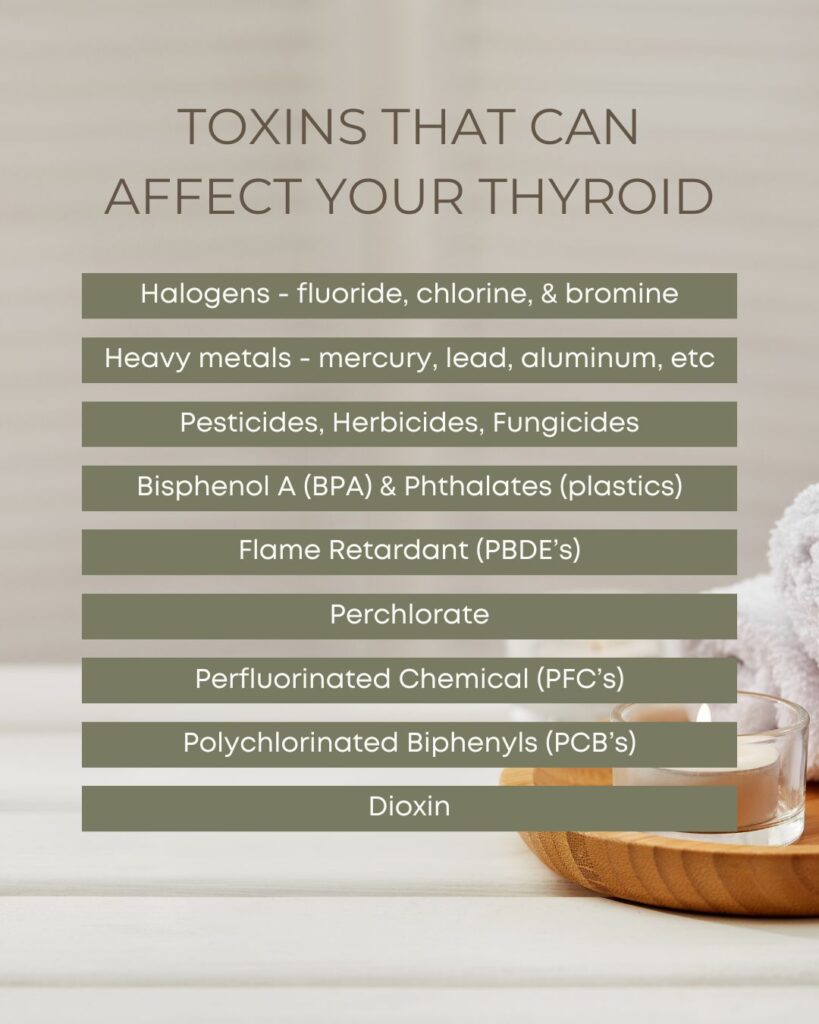
Remove as many sources as you can of these toxins. Try to switch out your household cleaning products for clean, toxin-free alternatives over time, eat as organic as you can, filter your water (no plastic) and replace toxic fragrances and cosmetics with natural ones.
I suggest the Environmental Working Group’s website (ewg.org), they have tons of great info on going toxin-free.
A makeup brand that I love, is Well People at wellpeople.com. I don’t get paid to say that – I just love them!
What Does This All Mean for Fertility?
Now that we’ve covered a lot of the background information, you may be wondering how your thyroid affects your fertility.
Thyroid hormones help regulate the menstrual cycle by influencing the production of estrogen and progesterone. Imbalances in thyroid hormone levels can lead to irregular menstrual cycles, which can affect ovulation and fertility. This could lead to complete disruption of ovulation or irregular ovulation.
Beyond estrogen and progesterone, thyroid hormones interact with other hormones involved such as follicle-stimulating hormone (FSH) and luteinizing hormone (LH). LH is what triggers the release of the egg from the follicle.
Thyroid hormones are also involved in the growth and development of ovarian follicles, which contain the eggs. Imbalances in thyroid function can impair follicular development, potentially affecting egg quality and ovulation.
Implantation can also be affected since thyroid hormones play a role in implantation of the fertilized egg in the uterus. This could lead to miscarriage and other complications during pregnancy.
The Thyroid During Pregnancy
Fast forward to your time during pregnancy and thyroid health is just as important. Now you are also protecting and supporting the health of your baby.
Thyroid hormones are essential for fetal brain development. This is particularly crucial during the first trimester when the baby’s thyroid gland is not fully functional yet. Insufficient thyroid hormone levels during pregnancy can lead to impaired brain development and potentially impact the baby’s cognitive function and IQ.
Thyroid dysfunction is not only a factor in infertility and miscarriages, but it can also lead to complications such as preterm birth, preeclampsia, and low birth weight. Making sure to get levels under control before and during pregnancy is extremely important.
Some women develop gestational thyroid conditions due to hormonal changes or autoimmune factors. Careful monitoring of thyroid levels during pregnancy may prevent adverse outcomes for mother and baby since this could also lead to postpartum thyroiditis.
You may be wondering at this point how you can support your thyroid health. Getting a full thyroid panel is always my first recommendation but there are things you can do if you suspect a thyroid imbalance, while you’re waiting for results.
Nutrients That Support the Thyroid
A thyroid-friendly diet starts with real food. Getting as many vitamins as possible and nutrients from food sources is essential before turning to vitamins and supplements. Some nutrients that are crucial for thyroid health include zinc, selenium, iodine, iron, B vitamins, and omega-3s.
Here are some foods that you can and should enjoy when you have a thyroid condition.
Fruits and Veggies High in Antioxidants
Be sure you get plenty of antioxidants by eating a variety of fresh fruits and vegetables. Berries, especially blueberries, are very high in antioxidants. Other fruits and veggies high in antioxidants are dark leafy greens, artichokes, asparagus, and sweet potatoes.
Selenium Rich Foods
Selenium is a nutrient essential for healthy thyroid function. Selenium has been shown to help prevent thyroid disorders and reduce antibodies associated with autoimmune thyroid conditions like Hashimoto’s. Selenium is found in nuts and seeds, particularly Brazil nuts (just 2 a day is enough), sunflower seeds, and shrimp and scallops. Getting enough iodine in your diet is essential when increasing your selenium intake. Luckily many selenium-rich foods also contain iodine.
Protein Rich Foods
Adding more high quality protein to your diet is essential for optimal thyroid function. If you have hypothyroidism, lack of energy is likely a significant side effect. High-quality protein can be very helpful for energy. If you’re having trouble tetting this through your foods, you can add a high quality plant based protein powder such as Truvani or KaChava.
Foods High In Omega-3s
Omega-3 fatty acids are great for many different conditions, including thyroid disease. Some natural food sources high in omega-3 fatty acids are salmon, flax seed oil, and walnuts.
Cruciferous Vegetables
Cruciferous is tricky because if you have an overactive thyroid, such as hyperthyroidism, cruciferous vegetables may help decrease the number of thyroid hormones produced. However, if you have hypothyroidism, eating cruciferous vegetables in moderation is recommended.
Most experts agree that it’s okay to eat some cruciferous vegetables if you cook them first. I agree with that. Heat reduces the goitrogens that can influence thyroid hormone levels in some individuals. Plus cruciferous vegetables can support healthy estrogen balance.
Leafy Green Vegetables & Sea Vegetables
You now know it’s important to keep greens like kale in check if you have an underactive thyroid, as they can inhibit thyroid hormones in some individuals. Leafy greens are usually safe, which include any lettuce, such as romaine, iceberg, arugula, and spinach. These greens have a lot of vitamins and minerals that help your body’s functions, including the thyroid gland. These include magnesium, B vitamins, and amino acids. Sea vegetables like kelp, nori, and wakame are great sources of iodine. Make sure to discuss iodine intake with your practitioner for your specific case.
Wild Caught Salmon
High quality seafood in general is good for thyroid health due to the omega-3 fatty acids and natural iodine, but wild-caught salmon is one of the best types of fish you can eat. Salmon also contains high amounts of selenium, amino acids, B vitamins, zinc, and magnesium. It is low in fat and calories, high in protein, and very easy to cook.
Whole Eggs
Organic, pasture raised eggs, when you include the yolks, contain vitamins B and D, choline, and protein, all of which are great for your thyroid gland.
Let's Give Brazil Nuts Another Mention
Nuts are another healthy addition to a thyroid diet, especially Brazil nuts. Brazil nuts are high in selenium, which helps with your thyroid, skin, body weight, and liver. Research also shows that selenium can also protect against mercury so why not eat 2 Brazil nuts with your fish.
Some Foods You'll Want to Eliminate
By no means is this an exhaustive list, especially if you have Hashimoto’s, but it can get you started.
GLUTEN: Most people with any type of thyroid condition should be careful with gluten. Gluten is found in many grains, such as wheat, barley, and rye. Some studies show gluten can interfere with thyroid medication and affect gut permeability. You may want to reduce how much wheat and other grains you consume. Instead, look at grains without gluten, such as quinoa, rice, and buckwheat.
SUGAR: Consuming high amounts of sugar can lead to spikes and crashes in blood sugar levels, ultimately leading to strain on the adrenal glands. Sugar can also contribute to insulin resistance, which has been linked to alternation in thyroid hormone levels. It is also associated with increased inflammation in the body. Chronic inflammation may interfere with thyroid hormone production, conversion, and transport, contributing to thyroid disorders. The gut can also be affected by sugar, where it disrupts the balance of the gut bacteria and can contribute to intestinal permeability.
PROCESSED & FRIED FOODS, FAST FOODS: Like sugar, processed foods or anything that is fried adds a lot of unhealthy fats and calories without the added nutrition. Keep an eye out for industrialized cooking oils as well. These include canola, corn, soy, and other vegetable oils. These foods and oils are unnecessary and quite inflammatory.
Exceptions - Get the Right Support
When it comes to the thyroid and especially autoimmune thyroid disorders, some of these recommendations will need to be altered or eliminated as well. In many cases, an autoimmune diet will be necessary. It is important to work with a knowledgeable clinician.
Lifestyle
A healthy lifestyle and the right mindset is essential for optimal thyroid health. Your hormones are sensitive to shifts in your environment. Make time for self-care! Running yourself into the ground with work won’t do your thyroid any favors, especially if it’s under functioning. Take walks, go to yoga, get a massage, relax on the patio, hang out with friends and create a happy life with minimal stress and worry – your thyroid is counting on it.
Give Your Thyroid Some Love
Understanding the intricate relationship between thyroid health and fertility is crucial for women who are trying to conceive or experiencing difficulties in getting pregnant. Hypothyroidism, characterized by an underactive thyroid, can significantly impact various aspects of reproductive health, including menstrual cycles, ovulation, and implantation. Yet, thyroid issues are often overlooked or misdiagnosed, leading to prolonged struggles with fertility.

The first step is always getting the correct and complete thyroid markers tested. Advocate for yourself and make sure that thyroid disease is ruled out by looking at your results from a functional perspective. This can catch things early so you can incorporate the appropriate interventions. Adopting a holistic approach that encompasses dietary interventions, nutrient support, toxin avoidance, and lifestyle modifications is essential.
I didn’t dive into supplementation in this blog, but I want you to know that there are options out there to support beyond the recommendations I’ve made here. I always personalize supplementation for each client base on their specific needs and deficiencies. That’s why I use the Metabolomix and the GI Effects stool test. To find out more about these, go here.
If you suspect you have thyroid imbalances and want to work with me, you can book a discovery call here. Or go to the services section of my website and sign up today.