Over-consumption of sugar has been linked to many health imbalances including insulin resistance, metabolic syndrome, Type 2 diabetes, gut dysbiosis, inflammation, mood disorders and cognitive decline, weight gain and obesity, kidney damage, cardiovascular disease, gestational diabetes, and preterm birth.
Beyond these, sugar isn’t so sweet when it comes to your hormones or fertility either.
What Do I Mean When I Say Sugar?
There are two main types of sugars in our foods: natural and added.
Natural sugars are found in foods like fruits, vegetables and dairy – think the sweetness in your apple or the lactose in milk.
Then there are added sugars, the extra sweetness that gets mixed into many foods and drinks during processing – like the sugar in your coffee or that sneaky syrup in packaged snacks.
So when I say sugar, I am not only referring to table sugar. In essence, it’s table sugar, brown sugar, coconut sugar, white carbs (i.e., bread, pasta, bagels), agave, maple syrup, honey and so forth. Sugar is marketed 101 ways today, and many sugar ‘alternatives’ are only marginally healthier than table sugar.
Processed sugars, whether natural or not have an adverse effect on your blood sugar and in turn mess with your hormone balance. It’s not that I eliminate, or expect you to eliminate, all sweeteners. But you should understand there is a difference between foods, which should be daily staples and those which should be occasional indulgences.
What Exactly Are Added Sugars?
Think of added sugars as the extra sweetness that’s not originally part of the food. These are the sugars that manufacturers add to foods and drinks to make them taste better, or to preserve them longer.
It’s not just the white sugar you might add to your tea – it’s also things like high-fructose corn syrup in sodas or the sweeteners in that ‘healthy’ granola bar.
Sugar's Everywhere
You might not even realize how much sugar you’re consuming because it’s not just in obvious stuff like candy and cakes.
It’s hiding in places you’d never expect – like bread, sauces, and even your ‘healthy’ yogurt. That’s right, sugar’s practically everywhere in our modern diets.
Look at all the ways sugar is disguised on ingredient lists. Go through your pantry and check how many of these ingredients are in the products you eat throughout the day. You might be surprised.

So, Why Should You Care?
This guide isn’t about scaring you off sugar. It’s about helping you understand how sugar can affect your body and how cutting back on those added sugars can make a big difference in your health and how you feel daily.
While a little sugar isn’t bad, too much can lead to health concerns. And we’re talking about more than just tooth decay.
Some Signs You Are Eating Too Much Sugar
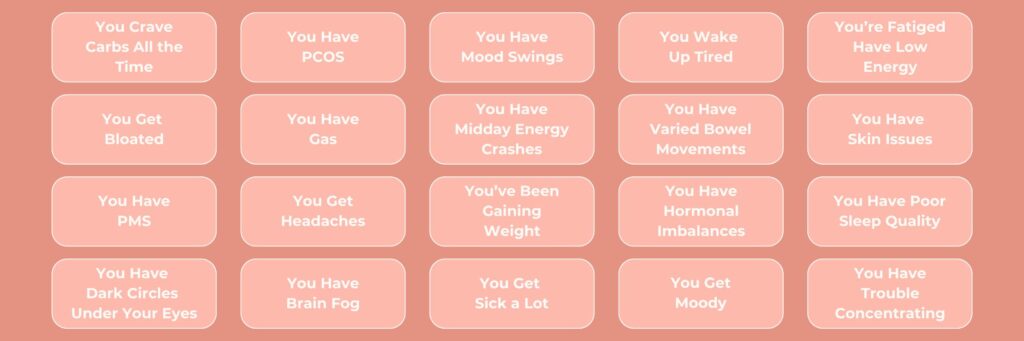
How Sugar Can Affect Your Hormones and Your Fertility
First, sugar is an endocrine disruptor. Endocrine disruptors are chemicals or substances which interfere with the normal functioning of hormones in your body. These substances can cause a variety of effects including weight gain, reproductive changes, thyroid problems, and mood issues.
While sugar is not the only source of endocrine disruptors, it is one of the most common. This means that the levels of endocrine disrupting substances in our bodies are increasing due to our increased consumption of sugar!
Sugar Messes with Your Blood Sugar
Sugar messes with your blood sugar by disrupting the production of insulin. When your insulin production is out of whack, other hormones are affected, especially estrogen, testosterone and the stress hormone cortisol. Chronic high cortisol levels can disrupt the hypothalamic-pituitary-adrenal (HPA) axis, affecting the regulation of reproductive hormones.
When you eat a meal high in sugar or processed carbs, your insulin level spike. When this happens, it reduces the production of SHBG. SHBG, or sex hormone binding globulin, is an essential protein that regulates the levels of estrogen and testosterone in the blood.
When SHBG production is low, estrogen and testosterone levels increase rapidly.
The Problem with Increased Estrogen and Testosterone
Higher than normal levels of hormones like estrogen or testosterone can cause serious health issues such as irregular periods, heavy bleeding, infertility, painful breasts, acne, hair loss, anxiety, and even some cancers.
Effect on Progesterone
Higher than normal levels of other hormones also overwhelm progesterone levels. Progesterone is the feel-good hormone that is responsible for keeping you calm, happy, and relaxed.
When progesterone is overwhelmed, you become irritable and anxious, which can lead to mood swings, insomnia, and weight gain. Progesterone is also crucial for fertility and a successful pregnancy.
Leptin and Ghrelin
High sugar intake can disrupt the balance of leptin and ghrelin, hormones that regulate appetite. Disrupted appetite control can lead to overeating, weight gain, and subsequent hormonal imbalances.
Thyroid Hormones
High sugar intake can affect thyroid function, leading to hypothyroidism or hyperthyroidism, both of which can impact fertility. Thyroid hormones play a crucial role in regulating metabolism and reproductive health.
You can read more about how your thyroid affects your fertility here.
Insulin Resistance and PCOS
High sugar intake can contribute to insulin resistance, which is a common feature of PCOS. Insulin resistance can exacerbate symptoms of PCOS, including irregular menstrual cycles, anovulation (lack of ovulation), and infertility.
Inflammation
Excessive sugar consumption can lead to chronic inflammation, which can impair reproductive health. Inflammation can interfere with the implantation of the embryo and the overall functioning of the reproductive system.
Weight Gain and Obesity
Weight gain and obesity, often resulting from high sugar intake, can lead to hormonal imbalances that affect ovulation and fertility. Excess body fat can alter estrogen levels and disrupt the menstrual cycle.
Poor Egg Quality
High sugar levels can increase oxidative stress in the body, which may damage eggs and reduce their quality, making conception more difficult.
The Sugar Withdrawal
Let’s be real, cutting down on sugar can feel a bit like a rollercoaster at first. Just like when you skip your morning coffee, your body might protest a bit. This is what we call withdrawal symptoms. You might get headaches, feel a bit grumpy, or really crave sweets. It’s like your body’s throwing a bit of a tantrum. It’s your body’s way of saying, “Hey, where’s my sugar?”
But hang in there! These feelings don’t last forever. Drink plenty of water, get some good rest, and remember, this is the initial phase, and it will pass.
But Wait, There Are Perks!
Despite these initial hurdles, there are some pretty quick wins. Many people find they have more stable energy levels – no more sugar highs and crashes.
That afternoon slump? It might just become a thing of the past. You might start feeling more alert and less foggy in the brain as well. And if you’ve been dealing with bloating and gas, reducing sugar can really help.
Most importantly, if you’ve been suffering from hormonal imbalances and all the symptoms that come along with that, this is a great place to start – kicking sugar to the curb.
Ways to Quit Sugar
Now that you understand how sugar messes with your hormones, let’s look at how to can break the sugar habit and start detoxing sugar from your diet. Quitting sugar can feel really hard but know that it doesn’t have to be all or nothing. You can still have sweet treats; you just need to be mindful of the type and the amount of sugar you are eating.
Social Situations – Sugar’s Everywhere
Social situations can feel tricky when you’re trying to cut back on sugar. Birthday parties, work events, dinners out – sugar is everywhere. But don’t sweat it. You can still join in!
Just be more choosy about what you eat and drink. Maybe bring your own sugar-free snacks or choose healthier options from the menu. And remember, it’s all about balance.
Keeping Up the Good Work
So, you’ve started cutting down on sugar – that’s awesome! But how do you keep it up long-term?
It’s all about making it part of your lifestyle. Find foods you love that don’t need added sugar. Experiment with recipes. And don’t beat yourself up if you have a sugary treat now and then. This is considered “balance”.
It’s not about being perfect; it’s about making healthier choices most of the time.
Drink more water. When you drink the recommended amount of water (eight 8-ounce glasses) daily, it will make your body’s systems perform more efficiently, make you feel fuller throughout the day, reduce your food intake, and reduce your sugar cravings.
Eat well-balanced meals. A balanced diet will provide the body with everything it needs to function correctly. Most cravings are results of specific deficiencies. When you include everything that your body needs within your meals, you will be less likely to indulge in sugary foods. You can especially curb the sugar cravings by adding protein and fat to your meals.
Expose yourself to healthier food choices and get involved in healthy activities like cooking, gardening, or exercise.
Plan ahead for when you are going to eat next and avoid eating out as much as possible.
Keep your kitchen stocked with these alternatives so you don’t feel tempted to eat sugary foods when you’re hungry or when you’re bored.
Get some sunshine. Getting some Vitamin D can help with mood, sleep, and other health benefits.
Try the Emotional Freedom Technique, or EFT, is an alternative treatment method that can be used for both physical pain and emotional distress. It has been shown to help balance your body’s energy system and help with anxieties and addictions.
Show yourself some love! Don’t look to others (or food) for the love your soul needs. Put self-love and acceptance into practice. How do we practice self-love? Try befriending your body through yoga, leave yourself an uplifting phone message, or do something special for yourself. Loving yourself will help you feel more comfortable in your own skin, reducing the need to comfort yourself with chocolate!
Realign your focus. Do you constantly think about or obsess over food or what you should eat? The more you think about something, the more you want it. Try to realign your focus and start thinking about other things besides food. It may not happen overnight, but with a little time, you will be able to focus on things that are more important than foods.
Sometimes we reach for those foods if we’re feeling a bit emotional. Ask yourself, am I just bored, lonely, sad, stressed, exhausted, etc? What do I really need in this moment? It might not be that sugary treat.
Where are You in Your Cycle?
If you are in the luteal phase of your cycle, you might be feeling these sugar cravings even more than usual. Go here to find out why.
Instead of reaching for the sweets, include more sweet potatoes, beets, pumpkin, squash (butternut, spaghetti, acorn), wild rice, or red potatoes during this phase of you cycle. Progesterone will thank you for it too.
How About Sugar Alternatives?
Natural sweeteners may pose a problem for some women with hormone problems, especially if there is insulin-resistance, PCOS or weight issues. Natural sweeteners such as honey, agave, maple syrup, dried fruit, and coconut sugar are all high in fructose, and over-consuming them can affect your blood sugar balance.
Eating too many “natural” sweeteners is one mistake I see a lot of women with hormone problems making. There is a misconception that natural sweeteners are healthier than other sugars. In moderation, they are fine for most women. But if you’re eating too many date balls, maple syrup sweetened smoothies, and coconut sugar desserts, it can worsen your hormone problems.
Listen, we need some sweetness in our life! Just remember, sweet treats should be occasional indulgences, not daily staples. For reference, there are 25 grams sugar in about two tablespoons of honey or maple syrup daily. That adds up quickly.
I usually recommend sticking to berries when you’re craving some sweetness since fruits can be high in sugar too. This is particularly important when someone has digestive imbalances such as small intestine bacterial overgrowth or candida.
Monk Fruit
Unlike other sweeteners, monk fruit’s sweetness comes from antioxidants called mogrosides. Monk fruit extract is rated a zero on the glycemic index and has zero calories and zero carbs, so it won’t spike blood sugar.
Having said that, if you’re trying to break through your sugar cravings, you might want to hold off on adding monk fruit. You are still signaling to your brain and taste buds that you’re eating something sweet. So, this might not help you break the cycle of reaching for the sweets.
Other Places to Watch out for Hidden Sugars
- Blended juices, soft drinks, coffee and tea almost always contain added sugar. Even the juices that claim to be ‘organic’ have added sugar that can affect your well-being.
- All packaged breads, including the whole wheat types, are all sources of sugar.
- Flavored oatmeal, other types of hot cereals, in addition to cold cereals usually contain sugar.
- Dried fruit is very high in sugar.
- Granola bars and other similar snacks also possess sugar, especially if they include raisins or other dried fruit pieces.
- Pancakes and frozen waffles all have sugar.
- If you think protein bars and meal replacements are healthy, think again. They usually contain quite a bit of sugar.
- The rich, delicious flavor of the mouthwatering desserts at the restaurants is often enhanced by the sugary sauces on their entrees.
- Most condiments and marinades, in addition to the dressings and bottled sauces, contain sugar.
- Sweetened Dairy/Non-Dairy Products
- Your favorite frozen yogurt, flavored kefir, and other milk or milk alternatives are often sweetened and have a high sugar content. Always check the labels. My favorite brand for cashew, oat, or almond milk is Malk (no gums or oils either).
Slow and Steady Wins the Race
Remember, you don’t have to quit sugar cold turkey. This isn’t a sprint; it’s more like a leisurely walk. Start by making small changes. Small steps can lead to big wins and are way easier to stick to.
It’s not just about cutting something out; it’s about embracing a healthier, happier lifestyle. So go ahead, pat yourself on the back, and take that first (or next) step towards a sweeter (less sugary, that is) life.
And if you want help balancing your hormones or on your fertility journey, set up a discovery call here. I would love to talk with you!